

Understanding the 2026 Mortgage Rate Landscape
A Comprehensive Guide to Current Market Trends and What They Mean for Borrowers
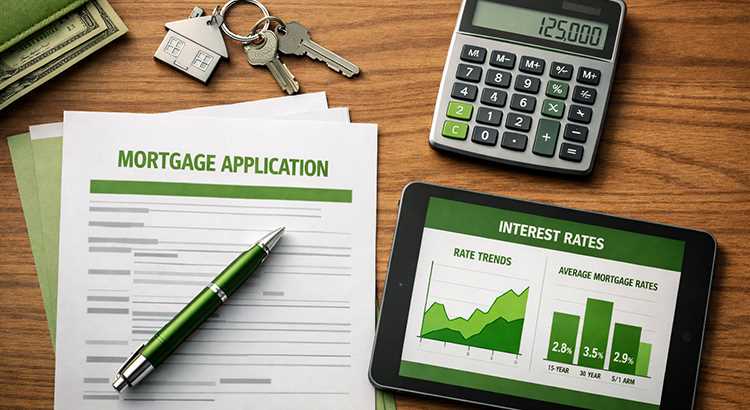
The mortgage rate environment in 2026 presents both challenges and opportunities for homebuyers and homeowners. As we navigate through economic shifts, understanding the current landscape is crucial for making informed financial decisions. This comprehensive guide breaks down the key factors influencing mortgage rates and provides actionable insights for prospective borrowers.
Current Rate Snapshot
30-Year Fixed
15-Year Fixed
5/1 ARM
Key Factors Driving 2026 Rates
Federal Reserve Policy
The Fed's monetary policy decisions continue to influence long-term mortgage rates. Recent adjustments to the federal funds rate have created ripple effects across the lending market.
Inflation Trends
Inflation rates remain a critical factor. As inflation stabilizes, we're seeing more predictable rate movements, though volatility remains possible.
Global Economic Conditions
International market dynamics, including trade policies and geopolitical events, continue to impact U.S. Treasury yields and mortgage rates.
Housing Market Demand
Supply and demand dynamics in the housing market influence lender competition and rate offerings. Current inventory levels are shaping borrower opportunities.
Historical Context
What This Means for Borrowers
First-Time Homebuyers
While rates are higher than the historic lows of 2020-2021, they're stabilizing. First-time buyers should focus on:
- Building strong credit scores (740+ for best rates)
- Saving for larger down payments to reduce loan amounts
- Exploring first-time buyer programs and assistance
- Getting pre-approved to understand buying power
Refinancing Considerations
For homeowners considering refinancing, the decision depends on your current rate:
- Current rate above 7.5%: Refinancing could provide significant savings
- Current rate 6.5-7.5%: Evaluate break-even point carefully
- Current rate below 6.5%: Likely not beneficial unless accessing equity
Expert Tips for Securing the Best Rate
- Improve Your Credit Score: Even a 20-point increase can lower your rate by 0.25% or more
- Shop Multiple Lenders: Rates can vary by 0.5% or more between lenders for the same borrower
- Consider Points: Buying discount points can reduce your rate if you plan to stay long-term
- Time Your Application: Lock rates when market conditions are favorable
- Increase Your Down Payment: 20% down eliminates PMI and often secures better rates
- Choose the Right Loan Term: 15-year mortgages offer lower rates but higher payments
Shareable Social Graphics
2026 Outlook
Economic forecasters project the following trends for the remainder of 2026:
Q1-Q2 2026
Rates expected to remain relatively stable in the 6.5-7.0% range as the Fed maintains its current policy stance.
Q3-Q4 2026
Potential for modest rate decreases if inflation continues to moderate, possibly reaching 6.2-6.5% by year-end.
Long-Term Perspective
Most economists don't anticipate a return to sub-4% rates in the near future. The "new normal" may settle around 5.5-6.5%.
Action Checklist
Before You Apply:
- Check your credit report and score
- Calculate your debt-to-income ratio
- Save for down payment and closing costs
- Research loan types and programs
- Get pre-approved with multiple lenders
- Compare total loan costs, not just rates
- Understand all fees and closing costs
- Consider long-term financial goals
Working with Lenders
When comparing mortgage offers, look beyond the interest rate. Consider:
- APR vs. Interest Rate: APR includes fees and gives a more complete picture
- Closing Costs: Can vary significantly between lenders
- Loan Origination Fees: Typically 0.5-1% of loan amount
- Lender Credits: May offset closing costs but increase rate
- Lock Period: Ensure sufficient time to close (typically 30-60 days)
Ready to Take the Next Step?
Understanding mortgage rates is just the beginning. Connect with qualified lenders to get personalized rate quotes based on your unique financial situation.
Get Pre-Approved Calculate Your Payment